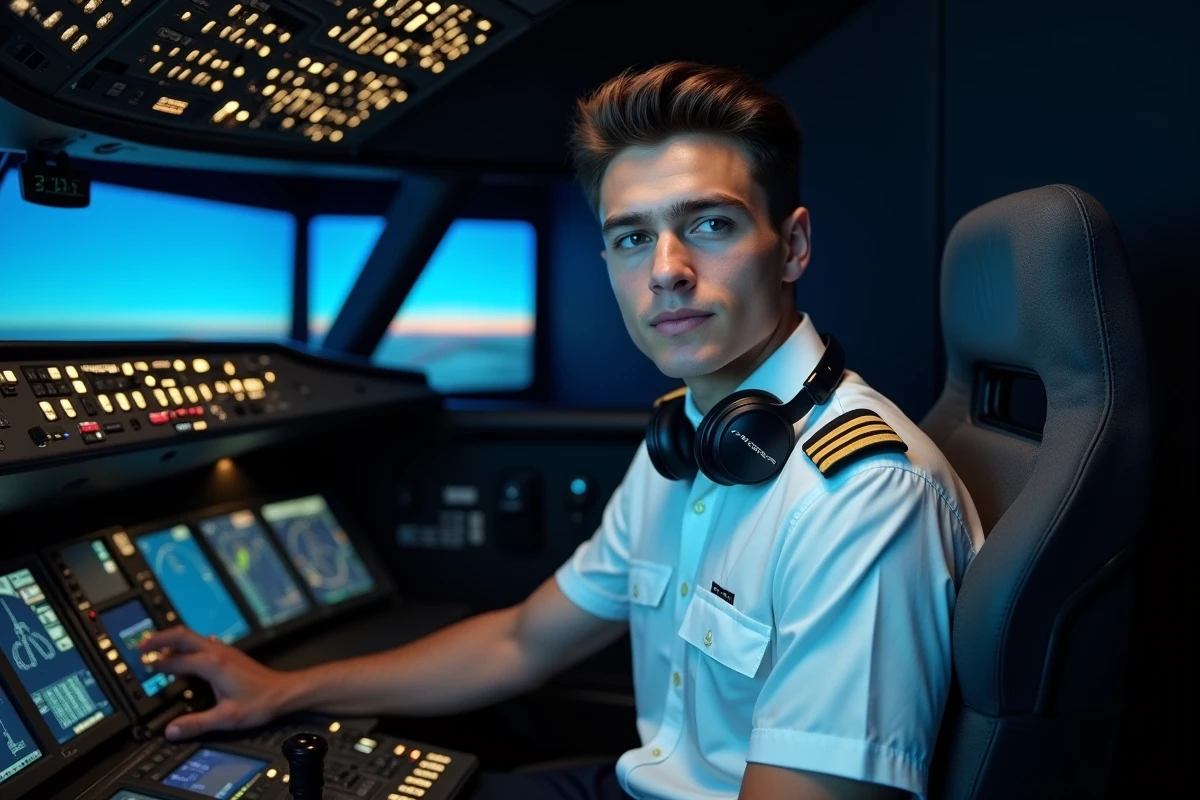
The Air France cadet program remains one of the most scrutinized pathways to the cockpit of a long-haul aircraft. The testimonials from cadets circulating on forums and social networks provide a partial image of the training. Here, we analyze what feedback from recent cohorts reveals about the training, its actual requirements, and the friction points that mainstream articles overlook.
Behavioral Assessments in Air France Cadet Training: The Weight of Non-Technical Skills
Since 2023, Air France has strengthened the evaluation of non-technical skills throughout the program. Stress management, decision-making, self-awareness: these dimensions, inspired by the EASA framework on Core Competencies for crews, are now subject to structured behavioral assessments at every phase of the training.
The paradigm shift is clear. These assessments can weigh as heavily as a purely technical result on the decision to continue or halt training. A technically solid cadet identified as rigid in error management or crew communication is at risk of receiving an unfavorable opinion.
Feedback from cadets from the 2022-2024 cohorts converges on this point: the pressure does not solely come from theoretical exams or flight hours. It also stems from this constant observation of interpersonal skills, which destabilizes profiles that are exclusively academic. Several candidates who have read reviews on Professeur Debbie confirm that preparation for soft skills ahead of selection makes a measurable difference in the ability to absorb this type of oversight.
Training Pace and Workload: What Cadets Really Describe
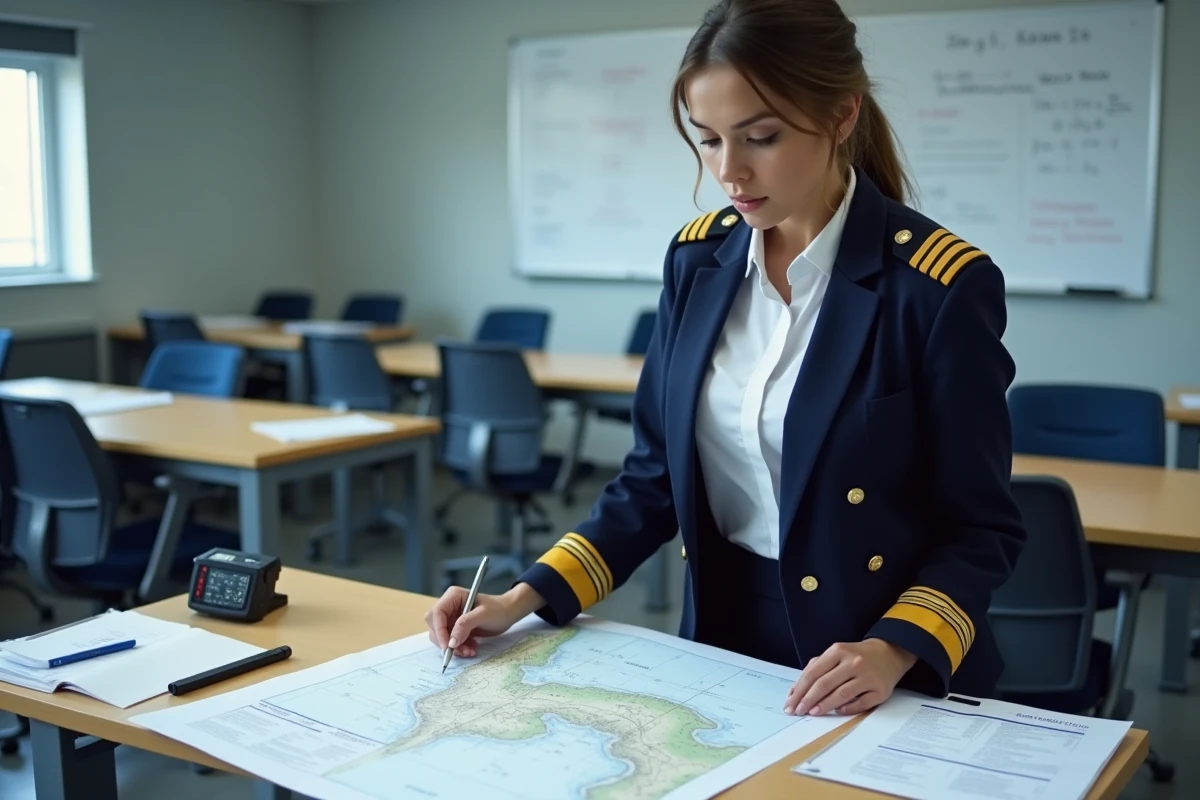
The reopening of the program after the Covid crisis has been accompanied by an acceleration of the training pace. Air France seeks to quickly produce copilots to compensate for the pilot shortage, and cadets pay the price in terms of workload.
The margin for error on intermediate checks has decreased. Whereas previous cohorts could absorb a one-time failure and recover, recent testimonials describe a program where every step counts and where a delay in progress quickly becomes a warning signal.
Specifically, cadets report:
- Dense theoretical training days, followed by simulator sessions in the evening, with little recovery time between modules
- Increased pressure on flight progression, where the number of sessions required to reach a given level is closely monitored by the instructors
- A feeling of isolation among some profiles in career transition, who do not have the support network of candidates from aeronautical schools
This pace is not a design flaw. It reflects the operational reality of a company that must staff its routes. But one must be aware of this before committing: the cadet training is not a traditional university program, it is a selective professional path from the first to the last day.
Profile of Admitted Candidates and Selectivity of the Air France Cadet Competition
The typical profile of an Air France cadet has evolved in recent years. The program now attracts older and more qualified candidates than before, often in career transition. A pharmacist, an engineer, a salesperson: recent cohorts mix very heterogeneous backgrounds.
This diversity is embraced by Air France, which seeks mature personalities capable of managing the complexity of a modern cockpit. The required level of English remains a serious filter, with a high TOEIC threshold. Basic aeronautical knowledge (BIA, PPL, or equivalent) is not formally required but constitutes a clear advantage during the PSY0 and PSY1 phases.
What the Selection Tests Beyond the Application
The psychotechnical selection phases (PSY0, PSY1, PSY2) do not only measure cognitive aptitude. The ability to process multiple pieces of information simultaneously under time pressure remains the distinguishing marker. Candidates from demanding professional environments (medical emergencies, trading, crisis management) often perform better than freshly graduated students, precisely because they have already integrated stress management into their daily functioning.
The PSY2, a phase of interview and group situational assessment, evaluates relational posture. Evaluators seek a copilot, not a leader. The classic mistake is to try to demonstrate leadership instead of showing one’s ability to listen and adapt.
After Training: The Reality of the Copilot Position at Air France
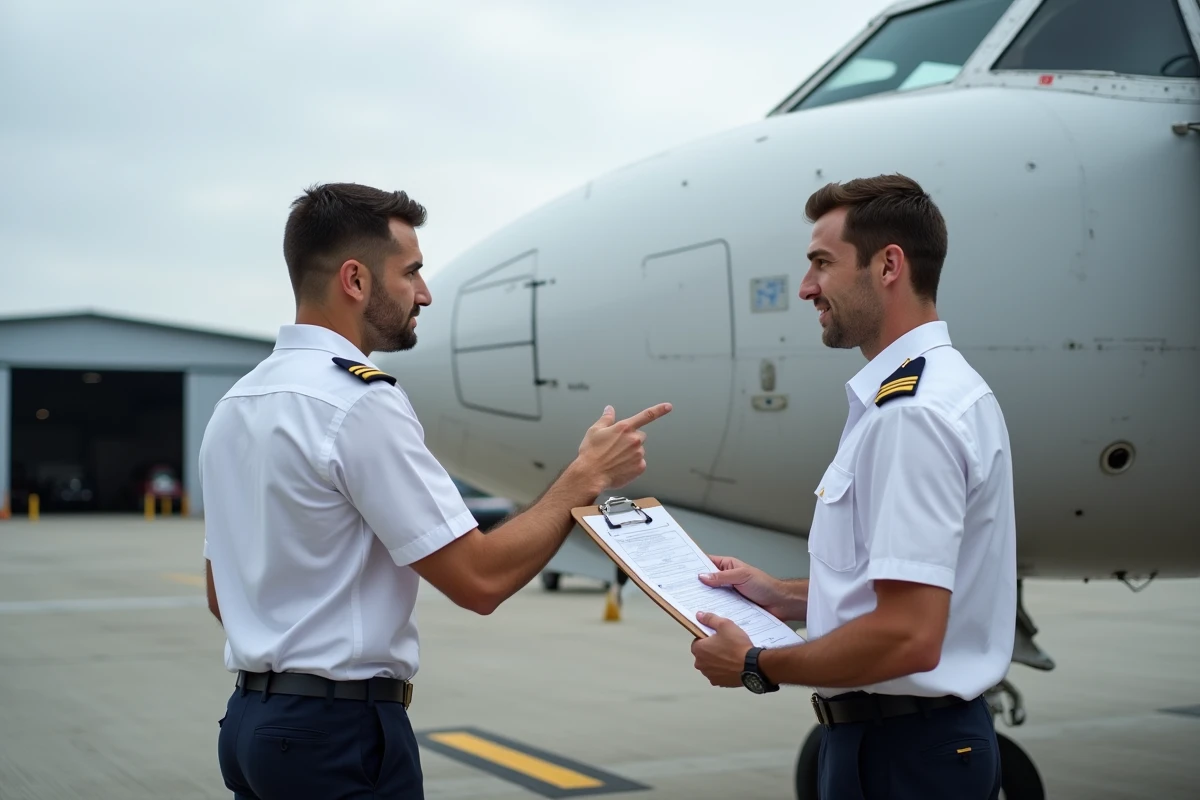
Testimonials from cadets often stop at obtaining the type rating. The continuation deserves to be described. The young copilot joins a fleet (medium-haul in the vast majority of cases) and begins their career with specific supervision during their first commercial rotations.
The transition from simulator to flying with passengers remains the most frequently cited shock. The mental load changes in nature: it is no longer about succeeding in an evaluated exercise, but about managing a real flight with its weather uncertainties, ATC constraints, and situations not foreseen by training scenarios.
Cadets who successfully make this transition share a common point in their feedback: they accepted early on that training does not prepare them for everything, and that learning continues during the first two or three years on the line. The relationship to the profession of pilot evolves deeply between the first day in school and the hundredth commercial rotation.
The Air France cadet program produces competent copilots, but the journey requires resilience to pressure, behavioral adaptability, and endurance that recruitment brochures do not detail. Candidates who approach the selection having integrated these realities, rather than fantasizing about the cockpit, are the ones who endure.