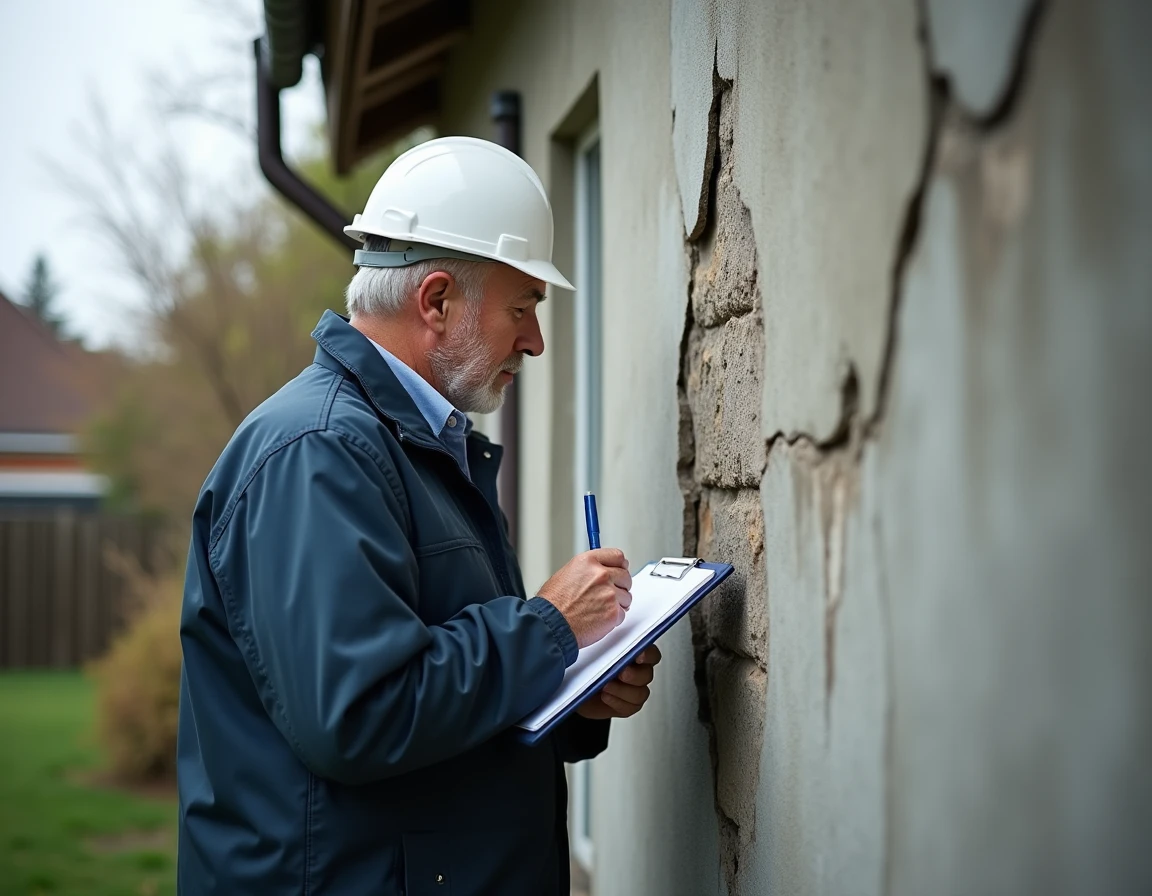
A property owner discovers cracks in the facade after a dry spell, a buyer hesitates in front of an old house with a seemingly tired roof. In both cases, the first question asked over the phone is the same: how much will the assessment cost? The answer depends on very concrete parameters that we detail here, starting from the most common field situations.
Cracks, humidity, roofing: the type of disorder sets the budget
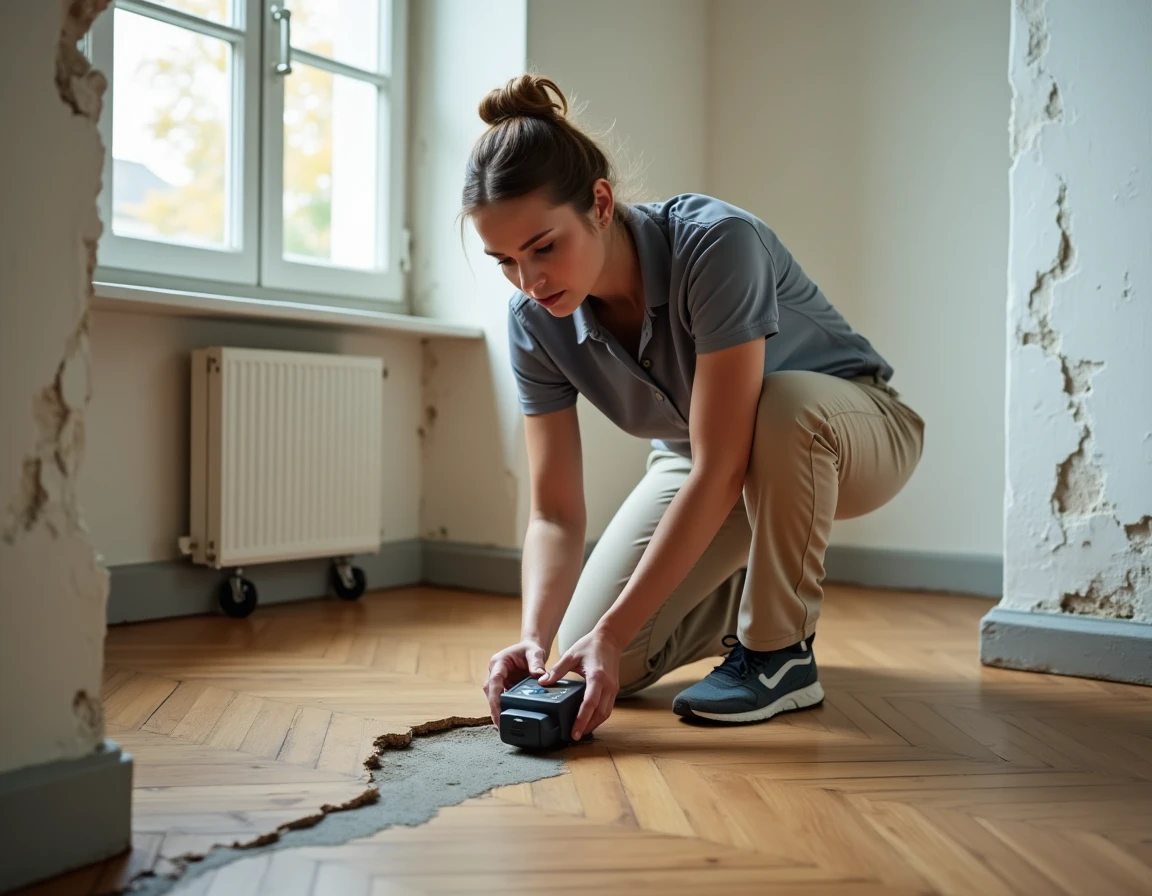
On the ground, it is observed that the nature of the problem weighs more than the surface area of the property in the final bill. A one-time assessment focusing on localized cracks or a humidity issue in a room keeps the expert occupied for a few hours, including the report. The rate then remains in the lower range.
As soon as the disorder affects the load-bearing structure or requires investigation of several areas (roof, foundations, partition walls), the analysis time increases. The expert may need additional measuring tools, surveys, or a lift access. Each technical step adds to the estimate.
To better understand the cost of a building assessment, it is helpful to describe the disorder precisely from the first contact: photos, location, date of appearance. The clearer the request, the more reliable the estimate.
Assessment before real estate purchase: a often underestimated item

When purchasing, many individuals settle for regulatory diagnostics (DPE, asbestos, lead). These diagnostics do not cover the structural condition or construction defects. The pre-purchase assessment analyzes what the mandatory diagnostics overlook: floor stability, quality of the main structure, consistency of previous work.
For a single-story house with no apparent issues, the mission remains short and the rate moderate. For a multi-story building, a renovated longhouse, or a property showing signs of ground movement, the time for the visit and report writing increases. The surface area plays a more significant role here than for a one-time disorder assessment.
What the report must contain to be useful
A pre-purchase assessment report that is limited to an oral opinion has no value in case of subsequent litigation. For it to be truly useful, it must include:
- A precise description of the observed disorders, with location and dated photographs
- An analysis of the probable causes (design flaw, aging, previous damage)
- Recommendations for work prioritized by urgency, with an estimation of the severity level
- A clear mention of the limits of the mission (areas not accessible, recommended further investigations)
This level of detail justifies a higher fee than a simple verbal opinion, but it protects the buyer if a hidden defect appears after the sale.
Insured expert or company expert: who pays and how much
When a disaster occurs (water damage, drought, storm), the insurer appoints its own expert. The owner can also call upon an insured expert, an independent professional who defends their interests against the company’s expert. This distinction changes the financial game.
Since the recent drought episodes and the increase in disputes related to cracks, several home insurers have strengthened the coverage of the insured expert’s fees. Some companies like Groupama or MAIF have updated their notices to specify that the coverage can be full or capped, provided that the expert intervenes within the framework of a guaranteed disaster and with prior agreement from the insurer.
On the ground, feedback varies on this point. Some insured individuals receive full reimbursement, while others only recover a fraction. The key: check the conditions of your legal protection guarantee before appointing an expert, and request written agreement from the insurer.
Contradictory assessment and judicial assessment
In a dispute with a builder or seller, one often goes through a contradictory assessment (amicable) before considering judicial proceedings. The contradictory assessment brings together the parties and their respective experts. Its cost remains lower than that of a judicial assessment, where the expert is appointed by the court.
The judicial assessment is the most expensive of all missions. It involves deposits paid to the registry, travel expenses, and often lengthy report writing time. The dematerialization of civil procedures has reduced some ancillary costs (copies, shipments), but the time related to preparation and writing has increased.
Building assessment quotes: points to check before signing
Not all firms present their quotes in the same way. To compare effectively, check several concrete elements:
- The exact scope of the mission: which disorders are analyzed, which areas of the building are covered
- The distinction between visit fees and report writing fees (some firms charge both separately)
- Any additional costs: travel, destructive surveys, use of a structural engineering office
- The deadline for delivering the report, which can vary from a few days to several weeks depending on complexity
A quote that does not specify whether the written report is included or charged extra deserves a request for clarification. Comparing at least two detailed quotes avoids surprises on the final bill.
Independence of the expert: a non-negotiable criterion
The building expert must be independent of any insurance company, builder, or real estate agency. A firm linked to a construction network or an insurer cannot guarantee the impartiality of its conclusions. Before signing, check that the firm has no commercial ties with the parties involved in the case.
The fee for an assessment reflects the complexity of the disorder, the type of mission, and the level of detail in the report. Paying less for a verbal opinion without written documentation amounts to saving on the only thing that protects in case of a dispute: documented technical evidence.