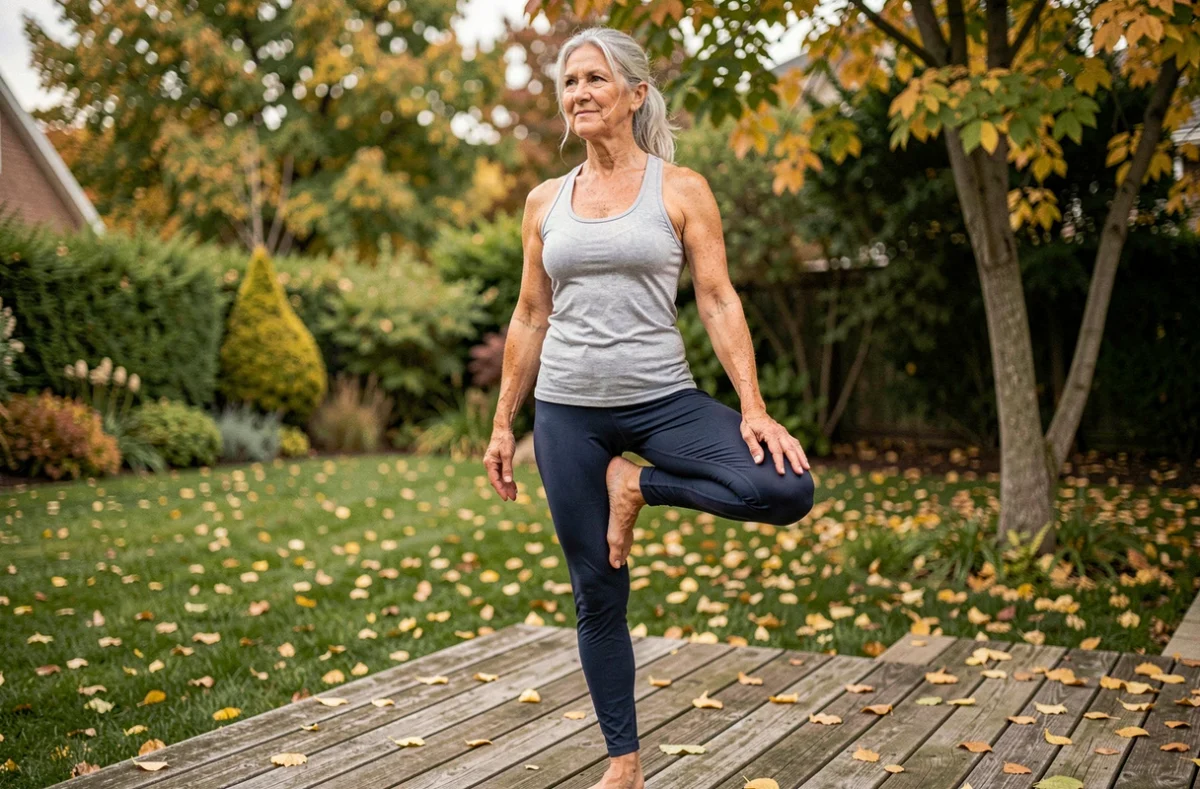
In France, a quarter of the population is over 60 years old. This gap between longevity and years lived in good health raises a concrete question: what levers can we act on to ensure that the years gained are truly years of quality?
Identifying vulnerabilities before 60: the shift to early prevention
Most content on senior health focuses on what to do after 60. A report from the Institut Montaigne published on September 14, 2026, proposes a change of perspective: use the WHO’s ICOPE program starting at 50 to identify vulnerabilities before they settle in.
This program monitors five capabilities: mobility, cognition, nutrition, mood, and sensory abilities (vision, hearing). The idea is not to medicalize the fifties, but to identify weak signals, a slight decline in balance or a loss of appetite, which often go unnoticed during a standard consultation.
By cross-referencing this information with specialized resources like the Vous et Votre Santé website for seniors, it becomes possible to structure a follow-up tailored to each profile, well before the loss of autonomy becomes an urgent medical issue.
The available data does not yet allow for measuring the large-scale impact of this early screening in France. However, the principle is clear: intervening on a nascent vulnerability is cheaper and yields better results than acting once dependency is established.
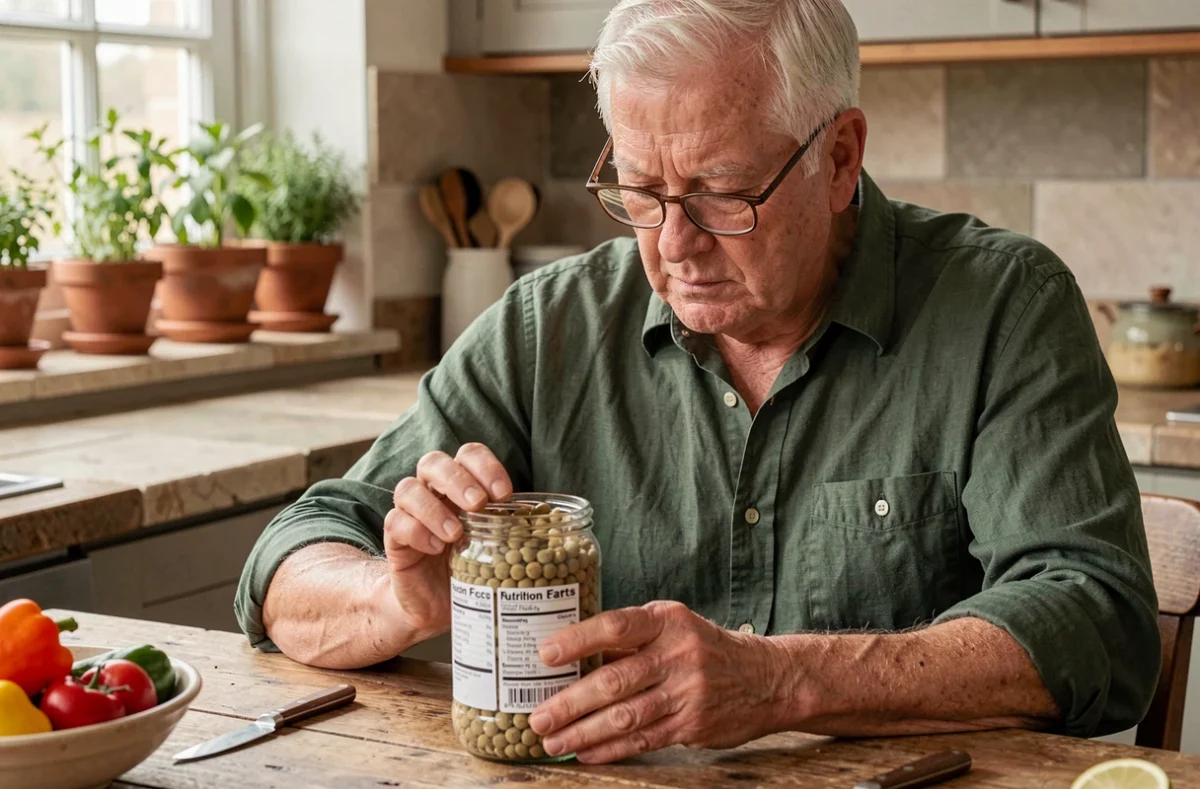
Physical activity after 60: what the official recommendations really say
Walking, cycling, swimming: articles on senior sports tend to be similar. Official recommendations provide a precision often absent from these lists.
Muscle strengthening is at least as crucial as endurance. Age-related muscle loss, sarcopenia, accelerates the risk of falls and reduces the ability to perform daily tasks (carrying groceries, climbing stairs, getting up from a chair).
Three complementary areas to combine
- Regular balance exercises (at least twice a week), which directly reduce the risk of falls, the leading cause of serious injury in those over 65
- Targeted muscle strengthening for the lower limbs and trunk, with or without equipment, to maintain functional capacity in daily life
- Moderate endurance activity (brisk walking, cycling, swimming) practiced daily if possible, even in short bursts of ten to fifteen minutes
Getting up every hour, even briefly, is just as important as a structured workout to limit the effects of prolonged sedentary behavior.
Fall prevention: the underestimated role of the home environment
Physical exercise alone is not enough to prevent falls. The report from the Institut Montaigne highlights a factor rarely addressed in senior health guides: the lack of appropriate assistance in daily activities increases the risk of falls among frail individuals living at home.
Specifically, this means that help with personal hygiene, meal preparation, or assistance with mobility within the home should be considered components of prevention, just like balance exercises.
Home autonomy services, a recent framework
Since 2023, former home assistance services have been restructured into “home autonomy services” (SAD). This consolidation aims to coordinate daily living assistance and nursing care under one structure. For frail seniors, this organization simplifies access to services and allows for more coherent follow-up.
Feedback from the field varies on this point: some rural areas still lack trained professionals, and the transition to the new framework has not occurred at the same pace everywhere. Actual access to these services remains uneven across regions.
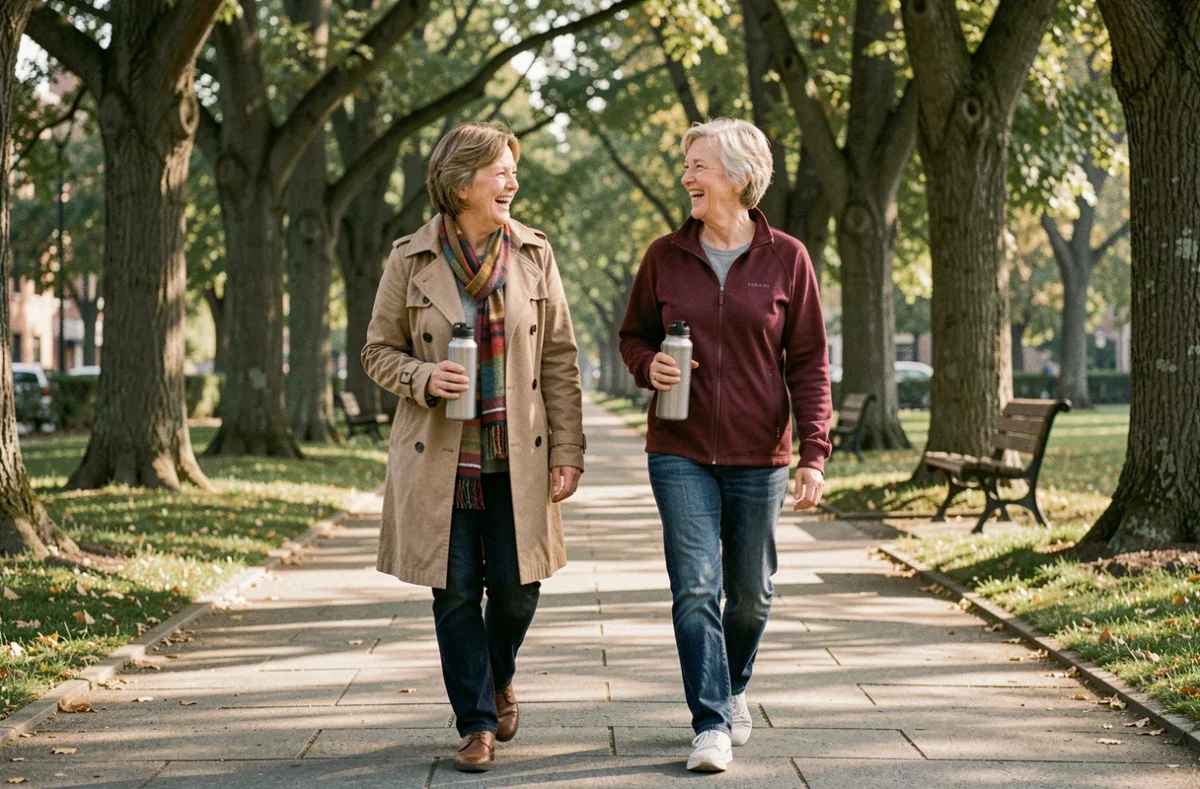
Senior vaccinations: an evolving schedule
Prevention is not limited to lifestyle. Vaccination recommendations for those over 65 are regularly updated, and the 2026-2027 campaign illustrates this evolution.
Shingles, which poses a significantly increased risk with age, is among the recommended vaccinations after 65. Seasonal flu and Covid-19 remain vaccination priorities for this age group.
These topics are rarely addressed in general content on “aging well.” Vaccination is seldom viewed as a preventive measure on par with exercise or nutrition. It deserves to be integrated into a comprehensive health assessment, alongside screening for sensory disorders or nutritional follow-up.
Sleep and nutrition after 60: two interconnected levers
Sleep changes with age: deep sleep phases shorten and nighttime awakenings increase. This physiological reality does not mean one should accept poor-quality sleep without taking action.
The quality of sleep partly depends on what we eat and when. A dinner that is too rich or too late disrupts falling asleep. Conversely, a sufficiently protein-rich diet during the day (eggs, fish, meat, legumes) supports muscle mass and contributes to better nighttime rest.
The sensation of thirst diminishes with age. Even mild dehydration can cause fatigue and concentration issues that mimic cognitive decline. Drinking regularly (water, herbal teas, soups) remains a simple action whose impact on daily health is often underestimated.
Health after 60 is not just a list of good habits. It relies on structured follow-up, early screenings, and an adapted living environment. Tools exist, from the ICOPE program to home autonomy services, but their deployment remains uneven across France. Each prevention pathway benefits from being constructed individually, based on detected vulnerabilities and locally available resources.