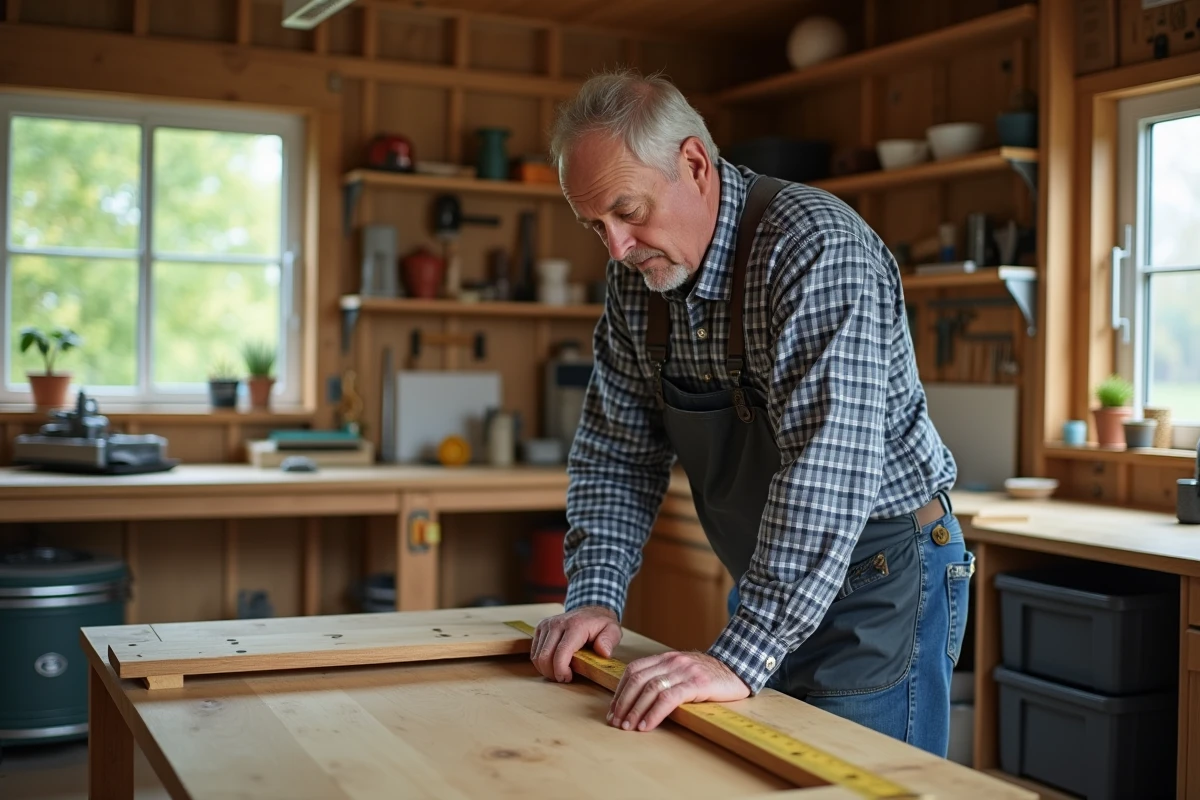
A magnetic screwdriver attracts fewer lost screws than a simple bowl placed under the work table. Budget kits often promise versatility but fail when faced with the slightest technical specificity. Assembling a piece of furniture without instructions highlights improvisation skills more than physical strength or patience.
Tutorials sometimes surpass official manuals in clarity and effectiveness, especially for bypassing unnecessary steps. Collective workshops solve problems that have lingered at home for months in just one session.
Why DIY at home is attracting more and more curious individuals
Home DIY is gaining remarkable momentum today. Beginners and seasoned DIYers alike are driven by the same desire: to transform their living environment without breaking the bank. The numbers speak for themselves: renovating one’s home is no longer the exclusive domain of a few experts. Now, tutorials abound, tools are more accessible, and creativity breaks free from technical limits. Whether it’s large renovation projects or simple everyday repairs, every action shapes an interior in its own image.
The financial argument weighs in, of course, but DIY goes far beyond that: it responds to a search for coherence. Giving a second life to a piece of furniture, repurposing an object, making a shelf from reclaimed wood, or installing a composter is to affirm a commitment to ecology. Recycling becomes part of daily life, reusing becomes a reflex, and consumption shifts towards greater discernment.
Specialized platforms like on the Univers du Bricolage website open the door to all DIY desires. Whether starting out or not, everyone can find practical guides, detailed videos, and ideas to progress or improve. Social networks quickly embraced the phenomenon: communities form, exchanging advice, sharing successes and failures, accelerating the transmission of tips and solidarity among DIYers.
Much more than just a hobby, DIY disrupts the relationship with the home: it enhances autonomy and creates a tangible connection with materials. A project open to all, it invites itself into everyday life, stimulating personal expression while preserving both the wallet and the environment.
What pitfalls to avoid when starting out (and how to easily navigate around them)
Diving into DIY at home often exposes one to mistakes that could have been avoided. The first misstep is neglecting preparation: starting a project without listing each task, without checking the availability of tools or materials, exposes one to repeated interruptions. Organizing a precise schedule, prioritizing steps, gathering the appropriate tools, drill, screwdriver, level, brush—all of this lays the groundwork. Taking the time to inspect your equipment: a worn or poorly chosen accessory can compromise safety and results.
Another common pitfall is space. A cluttered workspace, scattered tools, hard-to-reach materials, and efficiency takes a hit. Setting up a clear workshop, having good storage (shelves, boxes, jars), and designating a dedicated area for each project can prevent many frustrations. Marking the area where you will work allows for concentration, avoids distractions, and saves precious time.
Safety is non-negotiable. INRS recommendations highlight the usefulness of gloves, goggles, and dust masks during cutting or sanding. Power tools and chemicals require flawless handling. Even for a quick task, never skip protective measures: it only takes a moment for an accident to occur.
Finally, there’s the temptation to aim too high right from the start. To progress without discouragement, it’s better to tackle accessible projects: installing a shelf, repairing an outlet, building a planter. Focusing on progressiveness, choosing techniques within reach, and following each step rigorously is the key to a successful experience.

Clever resources to progress: guides, workshops, and videos at your fingertips
To enhance skills in DIY, the digital offering has greatly expanded. Detailed guides break down each phase, from material selection to finishing touches, making project success accessible to any beginner. Specialized platforms are filled with illustrated tutorials, often accompanied by explanatory videos. Visualizing a technical gesture, preparing a renovation project, assembling furniture, or installing a shelf: everything becomes clearer, each step enriched with concrete tips.
It’s no longer just about consulting sheets. Online workshops and webinars offered by brands or certain associations enable interactive learning. Asking a question, getting personalized advice, benefiting from the experiences of seasoned DIYers: this sharing dynamic fuels progress. Forums and community spaces stimulate discussion, help decide between different methods, and choose the right tool for the right task.
Here’s an overview of resources that facilitate skill development:
- Step-by-step videos: perfect for observing the right gestures and avoiding repeated mistakes.
- Comparative guides: practical for distinguishing between several technical solutions or selecting the most suitable material.
- Expert advice: available on specialized blogs or through Q&A services.
Specialized stores also play along, sometimes offering tailored support, whether in-store or remotely. By combining all these resources with regular practice, every DIY project becomes a learning ground, regardless of the starting point.
And what if, tomorrow, your next manual success came simply from a well-chosen tutorial or an exchanged piece of advice, where you least expected it?