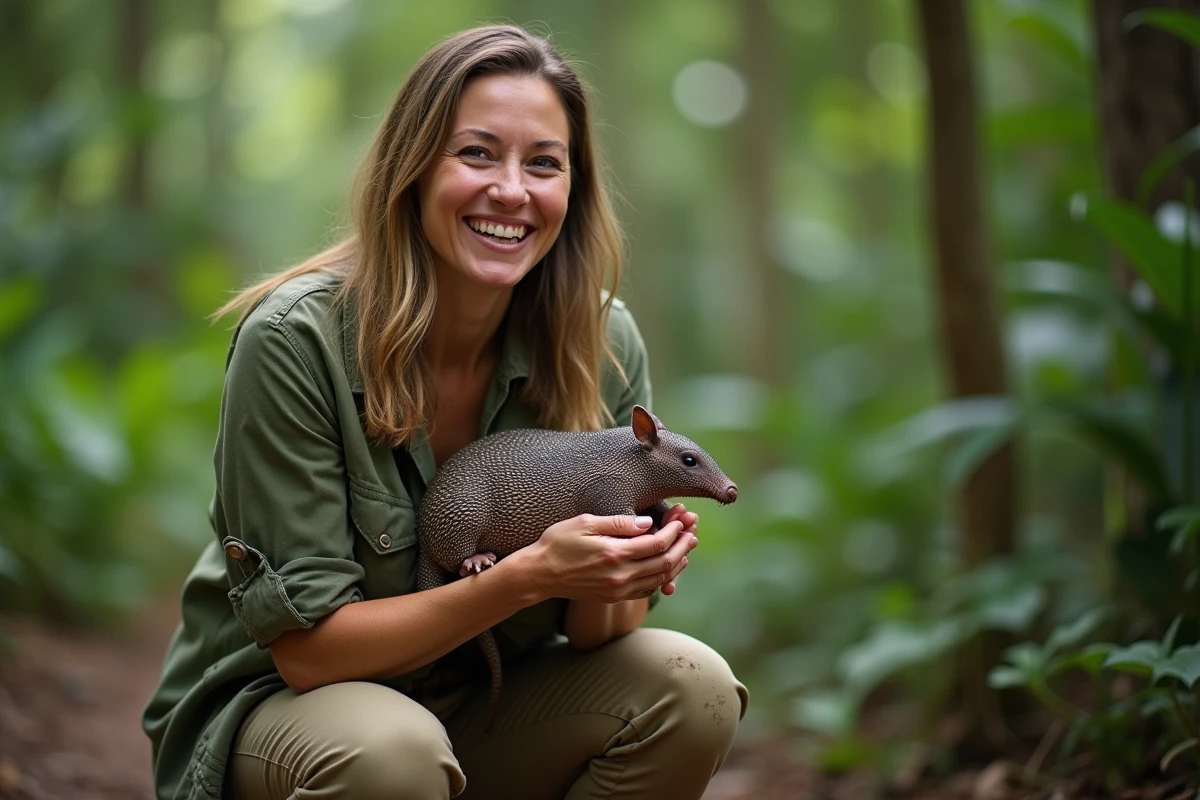
No school hands out the keys to a guaranteed job with animals. Training programs are proliferating, paths are diversifying, but in reality, positions are hard to come by in zoos and shelters. In wildlife photography, technique isn’t everything: you must learn to wait, to decipher a gaze or a twitch, to seize the moment that the animal world is willing to offer.
Recent studies reveal that certain species experience positive emotions that are far more subtle than we imagined, overturning what we thought we knew about animal intelligence. At the same time, immersive programs are emerging: they invite people to engage with wildlife in its authentic space, combining discovery and hands-on learning within dedicated structures.
Animal passion: what training and experiences to live closely with animals?
Building a path in the animal sector requires as much method as curiosity. Specialized curricula, whether academic or technical, address the range of skills that allow for engagement with animals. Some schools emphasize scientific outreach, while others focus on field practice, managing captive species, or daily direct contact. Professional experience remains irreplaceable: long internships, volunteer commitments in shelters, on-site observation missions. This is the foundation on which to build your vocation.
The documentary series The Secret Life of Animals, produced by BBC Studios and broadcast on Apple TV+, showcases three years of unprecedented footage across 24 countries and 77 species. Narrated by Hugh Bonneville, this series explores adaptation strategies, intelligence, and animal emotions. It is a valuable resource for anyone looking to deepen their understanding of living beings and nurture their passion for animals.
Figures like Véronique Sarano, oceanographer, photographer, and author, illustrate the power of commitment combined with expertise. A close collaborator of Captain Cousteau, she advocates for the marine world, shares her experiences through lectures and books, and emphasizes the need for precise knowledge paired with sincere commitment.
To enrich one’s journey, relying on trustworthy resources makes a difference. Visiting the Animaloo website provides access to advice, personal experiences, and tools to evolve one’s animal passion. The variety of approaches, courses, and testimonials makes it an essential platform for those wanting to delve deeper into understanding living beings.
Wildlife photography and observation: essential techniques for capturing wild life
Observing wildlife requires rare patience and a rigorous method. To obtain sincere images of animals in their environment, one must learn to blend into the scenery, accept waiting, and respect distances. Experienced photographers, like Véronique Sarano, emphasize listening, silence, and knowledge of behaviors as the foundations of any successful shot.
Moments when the light is soft, at dawn or dusk, are ideal for observation, revealing both animal activity and the beauty of landscapes. Setting the camera to shutter priority allows for freezing a fleeting scene, while a wide aperture isolates a behavior. Alternating between a telephoto lens for observing without disturbing and a wide-angle lens to capture the scene as a whole enriches the diversity of images.
Approaching certain species, such as the sperm whale, now vulnerable according to the IUCN, or the regent honeyeater, requires great caution. Changes affecting wildlife, such as the decline of songbirds or the adaptations of sperm whales to human pressure, make the photographer’s task more demanding.
To go further, there are many tips to refine one’s practice. First, remain an observer before clicking the shutter: each photo documents, transmits, and tells a story. Photographing is participating in the memory of the living, at the intersection of technique and shared ethics.
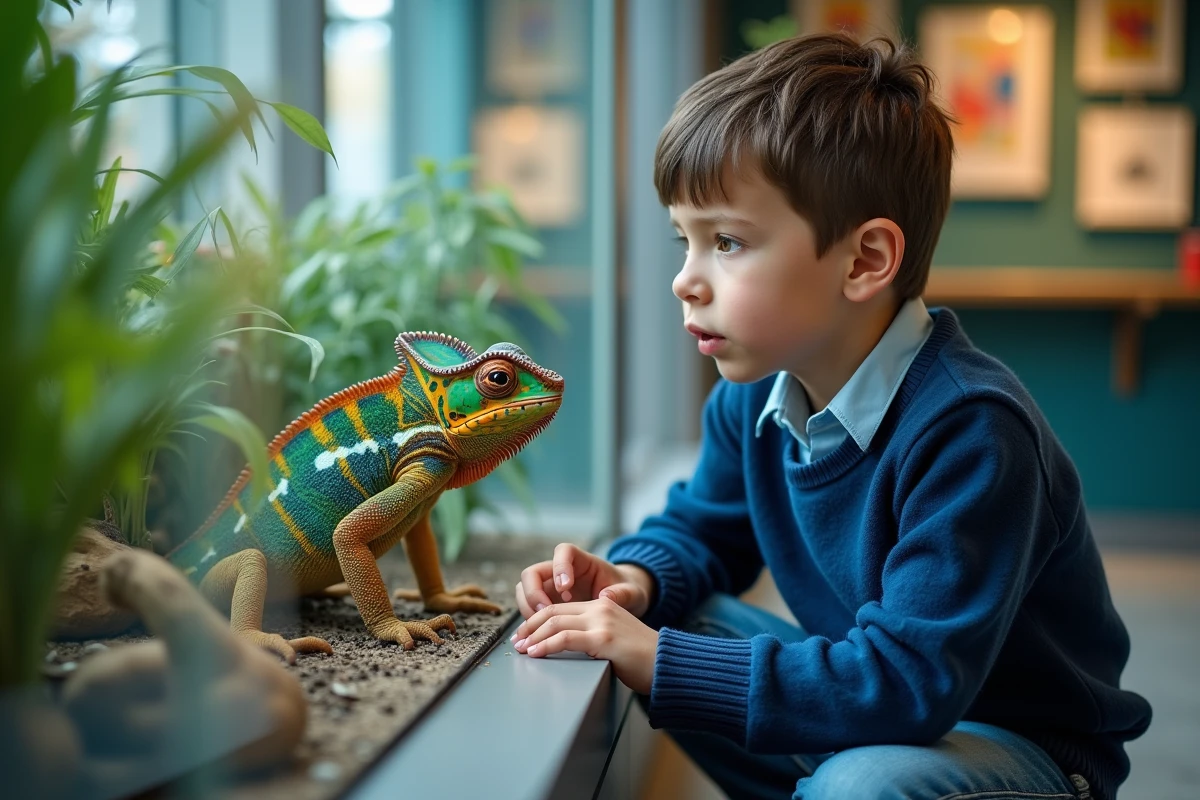
Why exploring positive emotions in animals transforms our relationship with nature
The animal world holds many surprises for those who know how to look. Seeing a crab-eating macaque teach its young the art of bartering in a Balinese temple, or two otters holding hands to avoid drifting apart while sleeping, raises questions about the very notion of animal personality. Behind these behaviors lie emotions and social strategies once thought to be reserved for humans.
The series “The Secret Life of Animals” (BBC Studios, narrated by Hugh Bonneville, Apple TV+) highlights striking stories: the loyalty of the capuchin monkey, the male raccoon patiently waiting to let the young feed first… Each sequence sheds light on the complexity of a wild heart, sensitive, intelligent, capable of altruism.
Here are some examples of fascinating abilities and behaviors revealed by recent research:
- The horse remembers significant events in its life.
- The cow forms lasting friendships and chooses its companions.
- Sheep can self-medicate by selecting certain plants.
Diving into these positive emotions changes our approach to science and animal passion. Studies on sticklebacks or cuttlefish reveal nuanced personalities and astonishing cognitive abilities. Whether it’s a weaving spider creating false silhouettes to deceive its predators or a duckling adopting the first creature it sees as its maternal figure, each observation invites us to rethink our relationship with the living world. Embracing the richness of the wild world means accepting to see differently, paying attention to the diversity and subtlety of the planet’s animals.