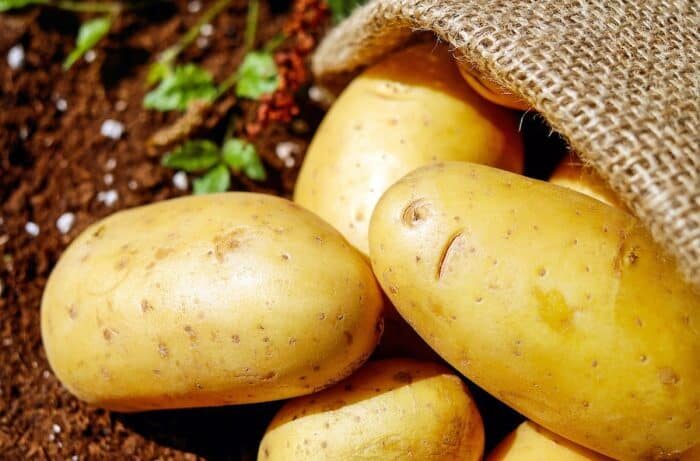
Growing potatoes may seem simple; however, to achieve healthy and abundant harvests, particular attention must certainly be paid to watering. Irrigation practices have a major impact on the health of your plants and can influence the size, quality, and quantity of your harvests. Watering mistakes, such as overwatering or underwatering, can lead to problems such as tuber rot or drought. Therefore, mastering the most effective watering techniques is crucial to ensure optimal growth of your potatoes.
Essential Watering for Potatoes
Many potato growers are unsure of the answer to the question: ‘Should potatoes be watered?’. The answer is clear and straightforward: yes, watering plays a vital role in the proper development of the plants.
Water not only contributes to a strong root system but also facilitates uniform tuber growth. Indeed, without sufficient hydration, you risk being disappointed with your harvest, yielding less and smaller fruits than expected.
However, answering positively to ‘should potatoes be watered’ does not mean that you should flood your plants! An excess of water can also create a humid environment conducive to fungal diseases that will be detrimental to the crops.
The decision ‘should potatoes be watered’ should therefore be guided by several factors such as the type of soil • clayey or sandy; its ability to retain water; local weather • if you are experiencing a dry or heatwave period requiring additional water; as well as each vegetative phase corresponding to specific water needs: after planting, water helps establish the plant well, while at maturity, less water will be beneficial to avoid certain pathologies that may affect your crops.
Water Needs of Potatoes
To optimize the watering of potatoes and achieve a healthy and abundant harvest, be sure to organize yourself well in this task:
Water at the right time: The frequency and timing of watering are crucial to ensure the proper growth of potato plants. It is best to water early in the morning or late in the afternoon when the temperature is cooler. This allows the water to penetrate deeply into the soil before the sun’s rays evaporate it.
Prioritize regular watering: Potatoes need a constant supply of water to develop properly. Be sure to avoid excessive watering that can lead to problems such as tuber cracking or excessive formation of shallow roots.
Use an appropriate irrigation system: For uniform water distribution, it is recommended to use drip irrigation systems or a pivot system if your garden is large enough. These systems allow for precise water delivery while avoiding waste.
Carefully observe your plants: Regularly monitor the condition of the leaves and the soil around the plants to detect any potential signs of water stress (wilted leaves, premature yellowing, etc.). If necessary, gradually increase watering to meet the growing needs of the plants.
Avoid excess water: While potatoes need adequate hydration, be sure not to overwater. Soil that is constantly saturated can promote the development of fungal diseases and lead to poor aeration of the root system.
Mulch the soil: Using organic mulch around the plants will help retain moisture in the soil and also reduce the growth of competing weeds for water.
By following these recommended watering techniques, you will maximize the chances of success for your potato crops. Remember that every garden is unique, and you must take into account the specific conditions of your region and your soil type.
Recommended Watering Techniques
When watering potatoes, be sure to take good care of your crops. Here are some tips to follow to avoid these common pitfalls:
Avoid surface watering: A common mistake is to water only the surface of the soil without penetrating deeply. This can lead to a shallow root system, making the plants more susceptible to water stress during dry periods. Therefore, be sure to water deeply, allowing the roots to access a sufficient water reserve.
Don’t neglect drainage: One of the major problems related to watering potatoes is poor soil drainage. Excess water stagnant in the soil can suffocate the roots and promote the development of fungal diseases such as phytophthora rot. Therefore, ensure that your garden has a good drainage system or improve it if necessary.
Do not use only tap water: It is best to avoid using only tap water to water your potatoes as much as possible. Indeed, it may contain various chemical additives such as chlorine or fluorides, which can harm the healthy growth and development of the plants. Preferably use a natural source like rainwater or use a suitable filter before use.
Do not overlook the water needs of different potato varieties: Be sure to note that different potato varieties may have slightly different water needs. Some varieties may require more frequent watering while others may be more drought-resistant. Research the specifics of each variety you are growing to adjust your watering method accordingly.
Avoid excessive use of nitrogen fertilizers: While nitrogen is an essential nutrient for plant growth, excessive use of nitrogen fertilizers can lead to excessive foliage growth at the expense of tuber development. This can make your plants more susceptible to diseases and decrease overall yield. Therefore, adhere to the recommended fertilizer doses and prefer a balanced fertilizer instead.
By avoiding these common mistakes when watering potatoes, you will maximize your chances of having a healthy and abundant harvest. Take the necessary time to carefully observe your plants, adjust your method according to their specific needs, and remain vigilant to the signals they send you. Your patience will be rewarded with delicious and vibrant potatoes.
Errors to Avoid When Watering Potatoes
Recognizing the signs of over or underwatering potatoes is essential to take necessary measures and maintain healthy plants. Here are some indicators to monitor closely:
Wilted and yellowing leaves: When your potato plants are overwatered, their leaves may begin to wilt and take on a pale yellow hue. This may indicate that the roots are constantly submerged in water, leading to reduced absorption of necessary nutrients.
Cracked or deformed tubers: Excessive watering can cause the formation of cracked or deformed tubers. Excess water can lead to rapid swelling followed by a sudden contraction of the soil around the tubers, creating these visible imperfections.
Root rot: If your plants show a black area at the collar (the upper part where the stem meets the soil), this may be a sign of root rot caused by persistent excess moisture.
Slow growth: In the case of underwatering, you may notice that your plants are growing more slowly than expected. They may appear stunted with limited foliage development and an overall reduced size of the plants.
Early wilting of flowers: Potatoes need an adequate amount of water to produce healthy tubers. If the flowers wilt prematurely before the complete formation of the tubers, this may indicate a lack of moisture.
Dry and cracked soil: When the soil is underwatered, it tends to become dry and cracked on the surface. Such an environment does not favor the effective absorption of water by the roots of the plants.
Poor yield: In the case of persistent over or underwatering, you may notice a significant decrease in the overall yield of your crops. Poorly irrigated plants will struggle to produce an abundant harvest of well-formed potatoes.
Be sure to regulate watering accordingly to ensure optimal growth of potatoes.
Remember that it is better to avoid extremes—neither too much nor too little water! Also, ensure that your watering schedule aligns with local weather to avoid unnecessary waste or excessive deprivation for your precious crops.
Signs of Over/Underwatering Potatoes
To optimize the effectiveness of watering potatoes, here are some wise tips to put into practice:
Establish a watering schedule: Plan and follow a regular schedule for watering potatoes. This will allow the plants to have an adequate amount of water throughout the growth cycle, without excess or deficiency.
Prioritize morning watering: Ideally, water your plants in the morning so that the leaves have enough time to dry before nightfall. This reduces the risk of developing fungal diseases that spread more easily in a humid and warm environment.
Adjust the frequency according to the growth stage: Water needs vary according to different phases of the potato vegetative cycle. In the beginning, when the plants are young, they require less water, but special attention should be paid during their crucial period when they flower and form their tubers.
Use an appropriate irrigation method: Choose the irrigation method that best suits your situation (drip, spray, or sprinkler) and ensure that you have the appropriate systems in place to ensure uniform and effective distribution across the cultivated area.
Mulch the soil: Using organic mulch (such as straw or plant debris) helps maintain soil moisture, reducing evaporation and limiting the growth of weeds. It also improves soil structure by making it more permeable.
Monitor soil moisture: Use a moisture measuring tool (such as tensiometers or soil moisture sensors) to regularly assess the level of available water in the soil. This will help you adjust your watering schedule according to the actual needs of the plants.
Tips for Optimizing Watering of Potatoes
Optimizing the quality of the water used is also an essential component of the best watering practices for potatoes. The water used should be free of harmful substances such as chlorine and heavy metals, which can negatively affect the health of the plants and reduce their yield.
In this regard, it is recommended to use rainwater or to use an irrigation system equipped with a suitable filter to remove impurities present in tap water. Clean water will allow the roots of the potatoes to absorb the necessary nutrients for their growth more easily.
To avoid unnecessary waste and preserve our precious water resources, it is crucial to adopt techniques that allow for efficient use. Such an approach may include implementing automatic systems equipped with sensors that measure soil moisture and trigger watering only when necessary.
Another promising practice is to promote micro-irrigation or localized irrigation. This type of supply directly targets the roots of the plants without wasting its contribution on other external elements not designated to receive it. By avoiding excessive and inappropriate watering, this system allows potatoes to access only the amounts of water necessary for their optimal growth.
Watering potatoes should not be perceived as a trivial task. By following these best practices, you will not only promote the health and abundance of your harvests but also contribute to preserving our precious water resource while minimizing negative impacts on the environment. You must pay particular attention to the specific needs of potato plants throughout their vegetative cycle to ensure their optimal flourishing. With this methodical and responsible approach, you will be rewarded with delicious and generous tubers in your garden.